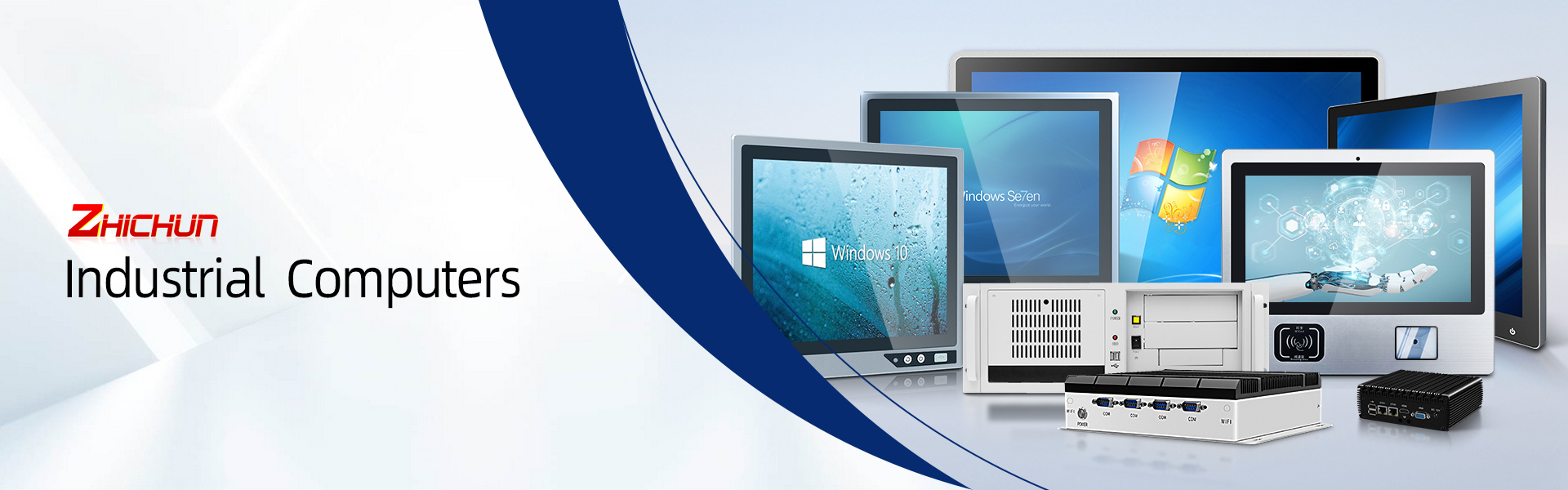
In today's fast-paced business world, mobility is key. However, many companies make the mistake of deploying consumer-grade devices in harsh working environments. While an iPad or a standard Android slate might look sleek, they simply aren't built to survive a drop on a concrete factory floor or a rainstorm at a construction site.
This is where rugged tablet computers come in.
Engineered for durability, reliability, and performance in extreme conditions, rugged tablets are no longer just a niche product for the military—they are essential tools for logistics, manufacturing, and field services. In this guide, we will explore why upgrading to an industrial tablet PC is the smartest investment for your business operations.
A tablet isn't truly rugged just because it has a thick rubber case. True ruggedness is defined by rigorous testing standards. When sourcing rugged tablet computers, you need to look for two main certifications:
Originally developed by the US Military, this standard tests equipment against environmental stress. A military-grade tablet undergoes testing for:
Drops: Surviving 4-foot drops onto plywood or concrete.
Vibration: Withstanding the constant shaking of a forklift mount or off-road vehicle.
Temperature: Operating in freezing cold (-20°C) or scorching heat (60°C).

This measures protection against dust and water.
IP65 Tablet: Dust-tight and protected against water jets (good for rain).
IP67 Waterproof Tablet: Can be submerged in water for short periods.
Tip: For outdoor field work, aim for at least IP65.

Unlike consumer devices, enterprise-grade tablets are modular and feature-rich. Here are the must-have specs for industrial use:
Standard screens wash out under direct sunlight. For field work, you need a high brightness tablet with at least 800 to 1000 nits. This ensures your engineers and surveyors can read schematics clearly outdoors without squinting.
Efficiency is everything in warehouse inventory management. Instead of carrying a tablet and a separate scanner gun, modern rugged tablets come with integrated 1D/2D barcode scanners (often Honeywell or Zebra engines). This allows for rapid, one-handed scanning of pallets and packages.
NFC & RFID: Crucial for security access and asset tracking.
In factory automation or construction, workers wear safety gloves. A standard capacitive screen won't react to a gloved finger. Rugged touchscreens utilize advanced sensitivity settings, allowing operation with heavy gloves or even when the screen is wet.
Field shifts can last 10-12 hours. The best rugged tablets feature hot-swappable batteries, allowing you to replace a dead battery with a fresh one without shutting down the device or losing data.

Warehouse inventory tablets are the backbone of modern supply chains. Whether mounted on a forklift (vehicle mount) or carried by hand, these devices handle receiving, picking, and shipping data in real-time. The vibration resistance is critical here, as forklifts create constant shaking that destroys consumer electronics.
On the factory floor, an industrial tablet PC acts as a portable HMI (Human-Machine Interface). Technicians connect to machinery via RS232 (Serial Ports) or Ethernet/LAN ports—legacy interfaces that consumer tablets lack—to run diagnostics and control production lines.
From repairing power lines to surveying land, field technicians need connectivity. 4G LTE/5G rugged tablets with dedicated GPS ensure that data can be synced from remote locations back to the office instantly.
Choosing the right OS is as important as the hardware itself.
Rugged Windows Tablets (Windows 10/11 Pro): Best for businesses that rely on legacy desktop software, full Microsoft Office integration, and high-security enterprise domains. If your backend is Microsoft-heavy, stick with Windows.
Rugged Android Tablets:Gaining immense popularity due to lower cost, better battery efficiency, and a user-friendly interface that employees already know. Android is ideal for custom apps, inventory scanning, and mobile forms.
The upfront price of a rugged tablet computer is higher than a consumer device. However, smart procurement managers look at TCO.
Consumer tablets in harsh environments have a failure rate of nearly 20% per year. When you factor in:
Repair costs.
Downtime (worker productivity loss).
IT support time.
Buying protective cases.
A rugged device, with a lifespan of 3-5 years, actually costs less over its lifecycle than buying and replacing cheap consumer tablets repeatedly.
Whether you need a 10-inch industrial tablet for your factory floor or a compact 8-inch handheld for logistics, choosing the right rugged hardware is a strategic decision. It ensures your workforce remains productive, connected, and efficient, no matter the environment.
Ready to equip your team?[Explore our full range of Rugged Tablet Computers here] or [Contact our experts] to find the perfect configuration for your industry.